
Pier
It is
difficult to imagine Palanga without the Pier. From the pier
opens a view to the dunes, beaches and limitless sea. Here
you can listen to the murmur of the sea, a yell of terns,
watch the sunset.
In the end of XIX c holidaymakers had a lot of
inconveniences if they wanted to reach Palanga, From Liepaja
or Klaipėda they were traveling to Palanga by carriages.
Then Tiškevicius decided to build up a landing stage for
the ships. The landing stage was built in 1884 -1888. A
merchant passenger vessel "Phoenix" used to carry
holidaymakers, goods and food from Liepaja. But every time
after storms the landing stage was covered with sand and
after a few years it was not usable for navigation. Since
1892 the pier has become a favorite place for promenades.
Time, sea waves and wind are devastating this construction.
In 1998 a new pier 470m in length was built. Again everybody
hastens to say good-bye to the sun...
The
Street of J. Basanavicius
Earlier this
street had a name of street or boulevard of Tiskevicius. In
the summer of 1923 Dr. J. Basanavicius visited Palanga. To
honor the nation's Patriarch, the inhabitants of Palanga
named this boulevard J. Basanaviciaus street. Holidaymakers
promenade along this street willingly, because there are a
lot of cafes and different attractions. This is the basic
street, which leads to the pier.
Gradual reconstruction of the street started in the autumn
of 2003, after the completion of which it wile be one of
most green and spoons streets of the town.
Zemaiciu
Alkas
In XIV c. on
the top of Birute hill astronomical observations were
carried out. The replica of this paleoastronomic observatory
was constructed north of Sventoji settlement, not far from
Health centre "Energetikas", and called
"Zemaiciu alka" (Samogitian sanctuary). It was
made by Palanga branch of Samogitians' culture organization.
In June 1998 wooden columns made by folk artists were put up
here. Each column corresponds to the names of mythological
gods and goddesses of the Balts: Perkūnas (Thunder),
Ausrinė (Morning star the Venus), Zemyna (Goddess of Earth
Vitality), Austėja (Goddess of Bees), Ondenis (Water God),
Patrimpas (God of plants and Spring), Patulas (Linger earth
God), Velnias (God of Dead Souls), Leda (Mother of Gods) and
heavenly bodies - Saulė (Sun) and Mėnulis (Moon). When the
sun goes down to the sea by the help of these columns it is
possible to fix calendar holidays, which come from pganism.
They are: Dew holiday, Stork's Day, Shrovetide, Christmas
etc.
Pajurio
(Seaside) Regional Park
It starts
south of the Botanical Park and stretches till Klaipėda
city. The park was established in September 1992. It
occupies the area of 5602 ha. The park includes the natural
reservation of Placis, Karklė botanical and Kalotė
botanical zoological reserves, Dutchman's cap (Olandų
kepurės), Nemirseta and Saipiai landscapes and Karklė
talasological and etnocultural reserve. You can explore
Pajūrio Regional Park on foot, by bikes or by horses. Tel.
(8-46) 398834.
Antanas
Moncys House-Museum
Antanas
Moncys house museum. A Lithuanian artist, who had been
working in France and whose artworks came back to his
Motherland. The exhibition consists of A. Moncys sculptures,
drawings, pieces of graphic art, flutes, masks, sheets of
his diary, advertising posters, etc. To the last will of the
artist, visitors are allowed to touch the sculptures.
Activities of
Museum: to popularize of Lithuanian art in Europe, promote
international cultural exchanges, educational activities,
and projects for social integration of disabled people.
Dr.
Jonas Sliupas Memorial House
Famous
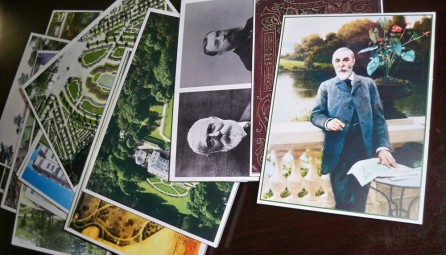
Lithuanian public man of the first half of XX c. Jonas
Sliupas was the first mayor of Palanga town. His house
serves as the museum of Dr. J. Sliupas and Palanga history
now.
Palanga
Guild of Amber Masters
Adress
Putinų takas 409,
LT 5720 Palanga
Tel. +370 652 36719
Open
for visitors amber processing studio
Vytauto 21/ S. Dariaus ir S. Girėno 27
Palanga Guild
of Amber Masters is a public organisation founded in the end
of 2000 and joining 26 amber craftsmen with their families.
The members of the Guild protect and maintain the tradition
of amber craftsmanship, participate in republican and
international exhibitions, apply new technologies for amber
processing, manufacture individual orders of amber
jewellery.
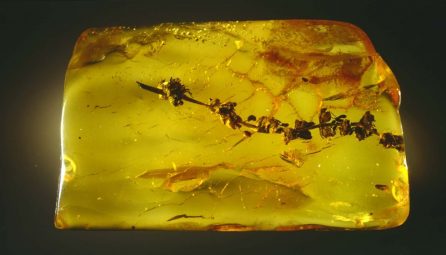
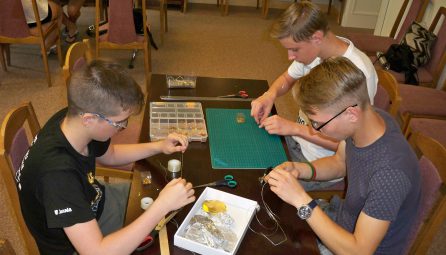
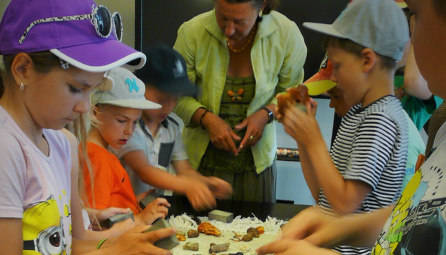
At Palanga Amber processing studio, the members of the guild
will show you how a natural piece of amber turns into an
item of jewellery, visitors will also be given a try. The
exhibition of amber artefacts will be open here for
visitors' choice and acquisition of nice things.