

Kontaktai
Vytauto g. 17, LT-00101 Palanga
+370 460 51 319
gintaro.muziejus@lndm.lt
Direktorė dr. Sigita Bagužaitė-Talačkienė
+370 460 53 501
Registracija į edukacinius užsiėmimus:
+370 460 30 314
Edukacinių užsiėmimų kaina vienam moksleiviui – 3 €, suaugusiajam – 5 €
Darbo laikas
Rugsėjo 16 – gegužės 14 d.
antradieniais – šeštadieniais – 10.00 – 18.00
sekmadieniais – 10.00 – 17.00
Gegužės 15 – rugsėjo 15 d.
antradieniais – šeštadieniais – 10.00 – 20.00
sekmadieniais – 10.00 – 19.00
Nedirba pirmadieniais ir valstybinių švenčių dienomis
Dienomis prieš valstybines šventes – valanda trumpiau nei įprastai
Bilietų kainos
Gegužės 15 d. – rugsėjo 15 d.:
- Suaugusiesiems – 8 €
- Kaina su nuolaida – 4 €
- Gido paslaugos lietuvių kalba– 20 €, kita kalba – 25 €
Rugsėjo 16 d. – gegužės 14 d.:
- Suaugusiesiems – 6 €
- Kaina su nuolaida – 3 €
- Gido paslaugos lietuvių kalba – 20 €, kita kalba – 25 €
Apie nuolaidas ir nemokamą lankymą galite sužinoti čia: Lengvatos
Palangos gintaro muziejuje jau veikia kavinė „Balzac cafe“ ir kviečia pasimėgauti arbatos ar kavos puodeliu, pasivaišinti prancūziškais desertais ir užkandžiais.
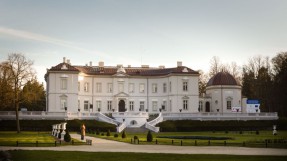
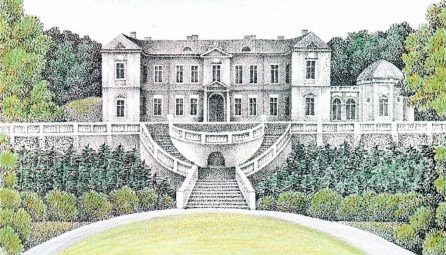
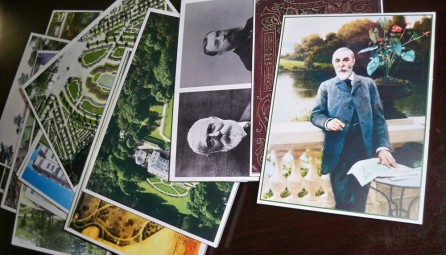
Lankytojai galės pasigrožėti nuo terasos atsiveriančiais XIX a. pabaigoje prancūzų kraštovaizdžio architekto E. F. Andre sukurto Birutės parko ir rožyno vaizdais, pajusti rūmų atmosferą.
Internetiniai leidiniai




Kortelė „Vilnius Pass”
Muziejaus rėmėjai



Bilietas internetu